

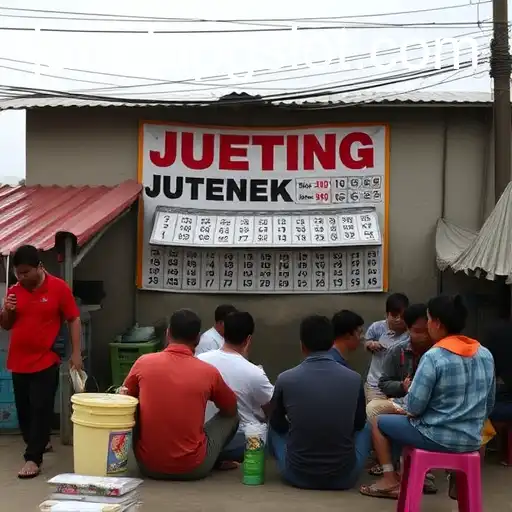
JANELAPG | Understanding Jueteng: A Closer Look
Understanding Jueteng: A Closer Look
Jueteng, a numbers game that has become a pervasive issue in certain regions, particularly in the Philippines, is a subject that requires attention due to its socio-economic and political ramifications. The game, similar in nature to lotteries, is fundamentally illegal, yet it persists in many communities, often operating under the radar of authorities. For those unfamiliar with the concept, understanding Jueteng entails delving into its mechanics, cultural significance, and the challenges it poses to governance and law enforcement.
The Origin and Mechanism of Jueteng
Jueteng is believed to have origins that date back to the Spanish colonial period, making it a historical staple in Filipino culture. The game itself is relatively simple yet highly addictive. Players choose a combination of numbers, and if the selected numbers match the drawn numbers, they win a prize. Despite its simplicity, the allure of earning quick money attracts many individuals, particularly in economically challenged areas.
The operation of Jueteng involves a network of collectors or "kubradores" who gather bets from players across various regions. These bets are then consolidated by an "upline" to an overseer who manages the entire process. The profits, often substantial, are distributed across various levels of the operation, including kickbacks to local officials who turn a blind eye to these activities.
Why Jueteng Persists
Jueteng thrives in environments where opportunities for legitimate employment are sparse. Many people see it as a means to supplement their income or as a form of escapism from their harsh realities. The low cost of entry and the promise of a high return make it appealing, especially among the lower-income demographics.
Furthermore, Jueteng has an intricate system of protection enabled by corruption. Local officials and law enforcement agencies are often complicit or directly involved, receiving a portion of Jueteng revenues in exchange for protection. This intricate web makes it challenging for any efforts aimed at eradicating the game to succeed. "Getting rid of Jueteng would require more than just police crackdowns; it calls for comprehensive reform focused on economic development and stringent law enforcement."
Evolving Dynamics: The Political Dimension
Jueteng's impact extends beyond the socio-economic sphere; it also has significant political implications. In many regions where the game thrives, it has become a tool for political patronage. Candidates running for office might seek the support of established Jueteng lords to secure votes, sometimes in exchange for future political favors. This symbiotic relationship between politics and illegal gambling entrenches both the game and the political figures who support it.
The intertwining of politics and Jueteng poses a considerable barrier to reform. As long as influential figures benefit from its perpetuation, little incentive exists for meaningful change. The challenge thus becomes dismantling these well-entrenched networks of influence and establishing systems of accountability.
Attempts at Eradication
There have been multiple efforts to eradicate Jueteng. Law enforcement agencies occasionally conduct raids intended to disrupt operations, but these are often temporary measures that fail to address the root causes of its persistence. Occasionally, calls for legislation to legalize and regulate the game arise, suggesting that regulatory control could be more effective than outright prohibition.
Alternatives such as the Philippine Charity Sweepstakes Office have also been promoted, aiming to channel gambling into legal and organized lotteries that contribute to public funds. However, shifting public perception and ingrained cultural practices is easier said than done, posing significant challenges to these alternative solutions.
Social Implications
From a societal perspective, the prevalence of Jueteng represents a deeper issue of systemic inequality. The desperation that drives individuals toward illegal gambling reflects the lack of sufficient opportunities and support in many communities. This disconnect between governance and grassroots realities fuels the game’s persistence.
The normalization of Jueteng within these communities perpetuates a cycle of dependence on illicit activities for livelihood. Consequently, any meaningful resolution requires a holistic approach that not only targets the elimination of Jueteng but also addresses the socio-economic deficiencies that allow it to thrive.
The Keyword: JANELAPG
The term "JANELAPG" might seem as enigmatic as Jueteng itself, but it hints at a programmatic direction for addressing these longstanding issues. Acronyms like JANELAPG can stand for justice, accountability, network engagement, law enforcement advancement, and proactive governance—all necessary components for tackling the problem at its core. By adopting a comprehensive framework that prioritizes these areas, stakeholders can pave the way for genuine progress in curbing illegal gambling and its associated detriments.
Ultimately, addressing Jueteng effectively involves a multifaceted strategy. While the immediate focus may rest on legislative and enforcement actions, the bigger picture necessitates a commitment to economic development, educational outreach, and the dismantling of corruption at all levels. Only with such an integrated approach can the grip of Jueteng be loosened, allowing for the cultivation of a society that thrives on lawful and equitable opportunities for all its members.


Google Sitemap